Why families do this

A diaper is a tool.
Here's what it fixes.

Going back to diapers isn't a step backwards. For most families it's a practical choice that makes an ordinary week easier: a trip, an outing, a reset, or simply a child who's more comfortable. That might mean diapers at night only, during the day, or full time. Here are the situations we hear most.

Two young brothers sitting in the open trunk of a family car on a countryside road trip

01

The long road trip

Six hours on the interstate with a young child who asks to stop every twenty minutes. Bathroom stops in unfamiliar service stations are slow, crowded and stressful. One diaper changes the shape of the whole journey.

  • A change before departure, then one at a planned fuel stop.
  • No hunting for a restroom in a strange town at 9pm.
  • A loaded car that doesn't have to be redesigned around bathroom access.

A young boy laughing on a roller coaster ride at an amusement park with his mom

02

Theme parks, fairs and full days out

Standing in a two hour queue when the child needs the bathroom is a choice no parent wants to make: lose the place, or risk an accident. Protection removes the tradeoff entirely.

  • Everyone stays in the queue together.
  • No scoping out every restroom on the park map.
  • A spare and a disposal bag in a day pack and that's the plan.
A school aged boy walking on a pathway with his backpack, heading to a lesson

03

A potty training reset

Training isn't always a one way street. Some children train early, then regress after a new sibling, a move or a new school. Others simply weren't ready. Pausing and going back to diapers for a while is a perfectly normal course correction, and nothing at school has to change because of it.

  • Pressure off the child for a few weeks or months.
  • A routine that doesn't turn every outing into a countdown.
  • Try again when your child signals they're ready, not on a calendar.
A boy sitting alone on a school wall while other children play nearby

04

Accidents years after training

A child who's been dry for three years can start wetting again, day or night, seemingly out of nowhere. Sometimes it passes on its own. Sometimes it needs a clinician's input. Either way, a diaper in the meantime makes the days easier while you work it out.

  • Discreet under school clothes for daytime accidents.
  • A larger size at night for longer wear.
  • Full change of clothes and a spare kept privately, just in case.
Young boy concentrating on writing his homework in a notebook at home

05

Focus, attention and sleep

Some parents notice something less talked about: a child who isn't spending the day worried about bathroom access tends to settle. Fewer interruptions means better concentration at school and a calmer night's sleep.

  • No mid lesson bathroom negotiation.
  • Uninterrupted sleep, for the child and the household.
  • A child who isn't scanning every room for the exit.
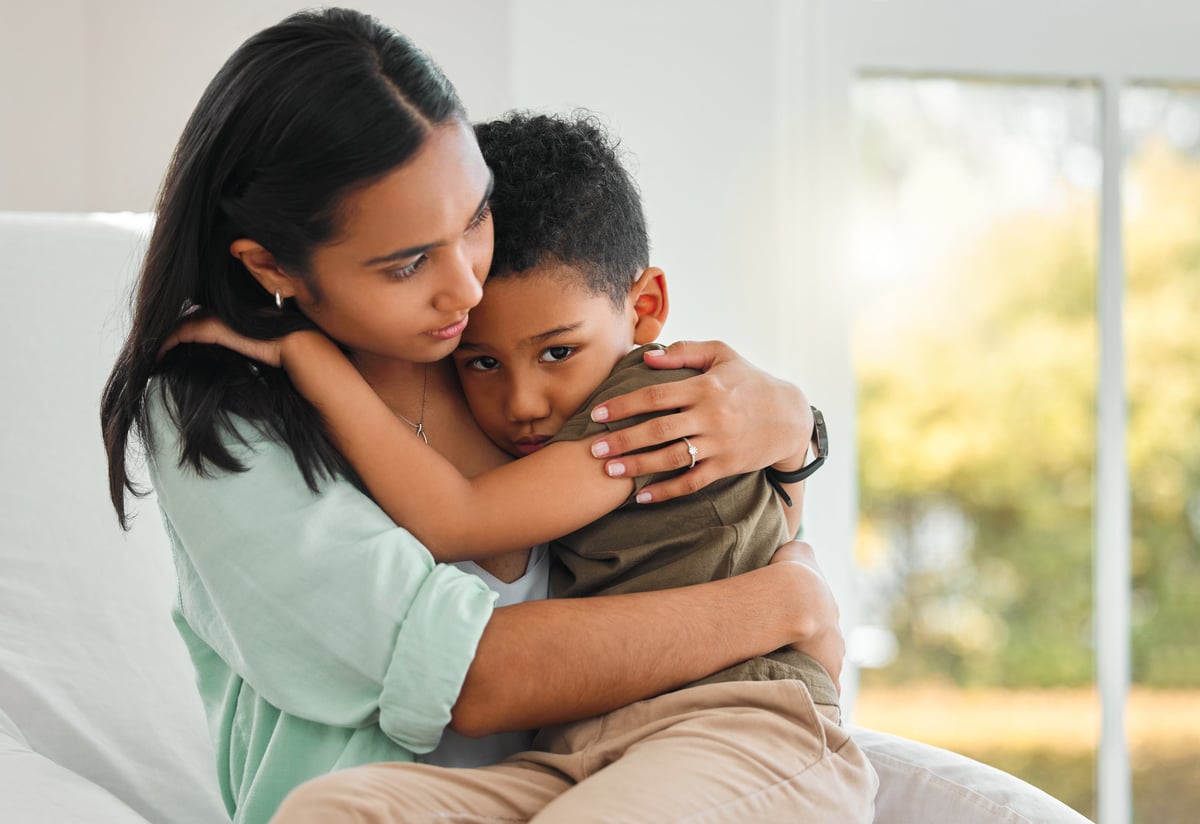
A parent comforting their young son at home

06

Comfort, preference and peace of mind

Some children simply feel safer and more comfortable in a diaper and say so. Some families find the household smoother with one in the routine. There's no medical reason needed. A preference is a perfectly good reason.

  • Let the child have a say where they want one.
  • A star print and a cloth like back instead of a babyish design.
  • No justification owed to anyone outside your family.
Deciding

Is this right for your family?

There's no test to pass. These are the five questions parents tell us helped them decide.

  1. 01

    Is the issue repeated enough to plan around?

    If you're already rearranging outings, nights or school days around bathroom access, protection removes the arrangement.

  2. 02

    Is privacy the main worry?

    A cloth like back, tab fastening and a plain print keep a child from being noticed. The size is printed, not the word 'diaper'.

  3. 03

    Would a nighttime size up solve it?

    Often, one larger size at night is enough for bedwetting. Start there before changing the daytime routine.

  4. 04

    Has the change been sudden?

    If continence changed quickly, speak with a paediatric clinician first. Products help you choose; they don't diagnose.

  5. 05

    Does your child get a say?

    Older children will have opinions. Where it's safe to, let them choose the size, the routine and where changes happen.

In your own words

How to frame it, internally and with your child.

You don't need to justify your family's choice to anyone outside it. With your child, plain language tends to work best: "we're using these right now because it makes the day easier." No teasing, no apologies, no secret. Give them privacy at changes and as much say as is realistic, which size, what the routine looks like, where the supplies live.

And it's not permanent. You can revisit it any time your child wants to try underwear again.