Youth diapers,
explained simply.
A youth diaper is a diaper sized for a person old enough to be out of nappies but still young enough not to fit an adult product. Ages roughly six to sixteen. It is not a baby product in a bigger box, and it is not an adult product in a smaller one. This page explains what it is, who uses it, and how to know if it is the right thing for your child.
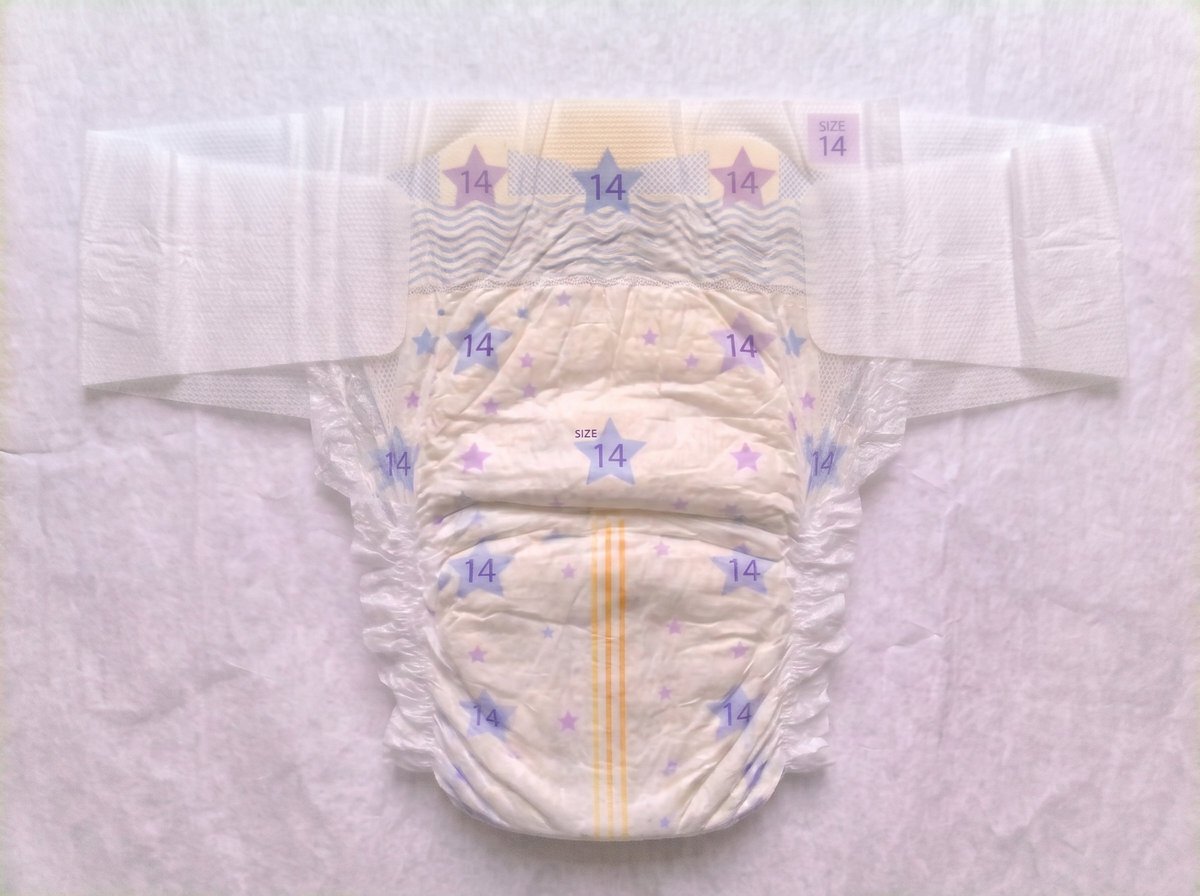
The gap on the shelf, filled.
Every supermarket sells baby diapers up to a size a three year old wears, then toddler pull ups, then nothing until the adult range. The years between are the gap. A boy of nine who wets at night is too big for the baby sizes and far too small for an adult one, and the pull ups that are left are built for a child learning to use a toilet.
A youth diaper is that missing size. It has the tab construction and capacity of a traditional diaper, in the length, waist and leg shape of a growing body. It is a medical-grade, everyday product rather than something special, and the point is that it works quietly and gets on with it.
Nothing about the decision to use one says anything about the child. Most families use them for a season, some for much longer, and a good many use them for one situation rather than for daily life.
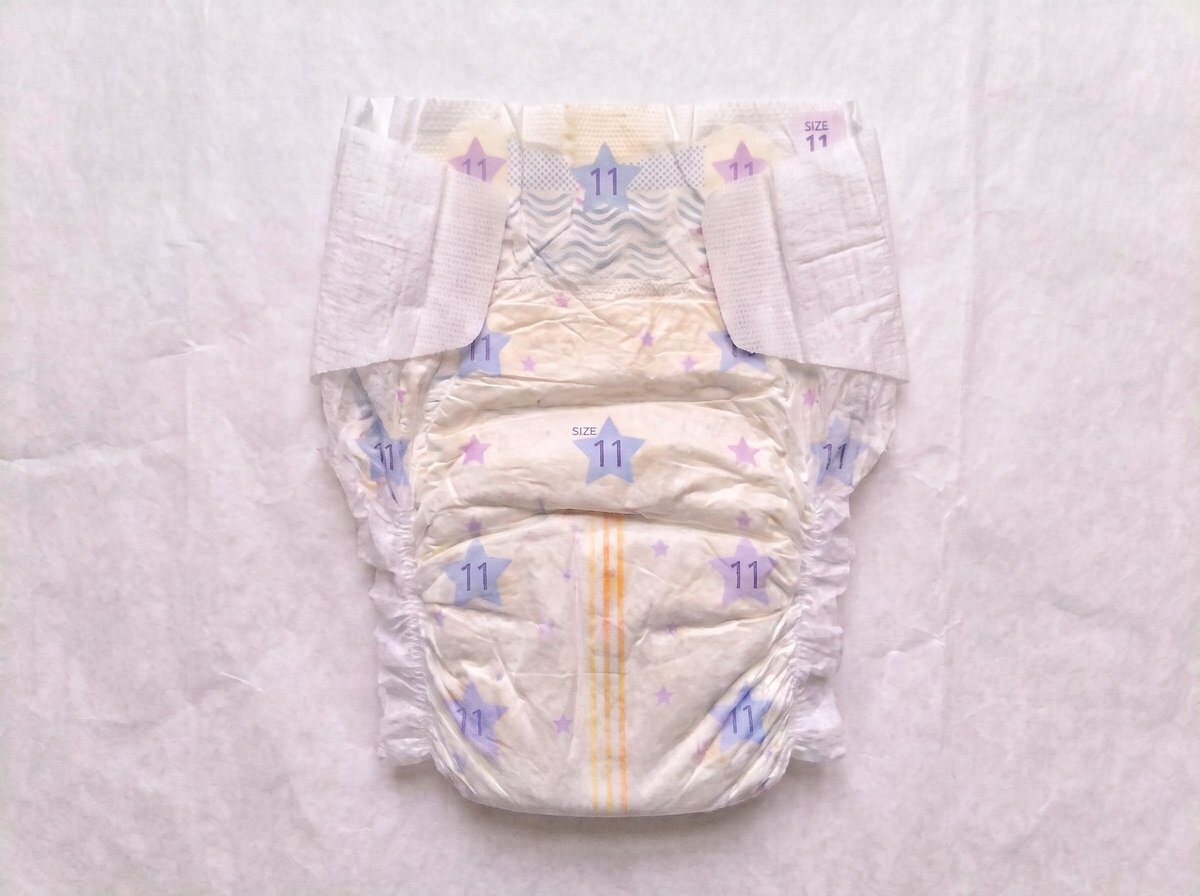
Four things that matter on a bigger body.
Sized for a growing body
A child of eight and a child of fourteen need different products even when they weigh the same. Six sizes run from 55 to 185 lbs, so the fit is set by weight rather than by the age on the pack.
A tab, not a pull on
The leg openings and the waist are set separately, so the fit holds on a body that moves, and a change opens at the sides instead of coming down over the legs.
Enough capacity for a night
An older child wets in larger volume and less often than a toddler, which is why a toddler core stretched across a bigger body leaks. A youth sized core is built for that volume.
Quiet and unremarkable
A soft back that does not rustle, a print that carries the size rather than a cartoon, and a fit that disappears under ordinary clothes. The boy has to be willing to wear it, and that starts with it not looking like a baby product.
Six sizes, ages 6 to 16.
Size is chosen by weight, not by age or clothing size. These are the six planned sizes.
Size 9
55 to 70 lbs
Ages 6 to 8
Size 10
68 to 85 lbs
Ages 7 to 9
Size 11
82 to 100 lbs
Ages 8 to 10
Size 12
88 to 130 lbs
Ages 9 to 12
Size 13
100 to 140 lbs
Ages 10 to 14
Size 14
130 to 185 lbs
Ages 12 to 16
The reasons are different. The product is the same.
Four things to do in the first week.
Everything else on this site goes deeper into each of these, but if you are starting today, this is enough.
- Find the size by weight, and go up rather than down if he is between two.
- Put one on at home on an ordinary day first, so the first time is not in public.
- Tell him once, plainly, that it is there so he does not have to worry about a bathroom.
- Count his usual day, add two, and pack a plain pouch.
- Give it a week before judging the fit. The first few are adjustments.
The first five, answered.
01What size does an older child need?
Usually the size that matches his weight, not his age or clothing size. Six youth sizes cover 55 to 185 lbs and ages 6 to 16. If he sits between two sizes, go up and use the tabs to bring the waist in. A product that barely reaches the landing panel is too small.
02What is the difference between a youth diaper and an adult one?
The proportions. An adult product is built for an adult body, and on a small framed child it hangs and gaps. A youth size has the length and hip shape of a growing child, so it sits where it should. Above about Size 14, an adult product in the next band is often the better fitter, and that is not a failure.
03Can he put it on himself?
Some boys can from around ten, most reliably from their teens, and many still prefer a parent to do it because it is done properly. Standing changes are possible; lying down ones are easier. Either way it takes under a minute once the fit is right.
04How many does a day need?
Count what he actually gets through and add two. For most older children that is three or four across a day, more on hot days, on a trip, or when there is a bowel movement involved. Setting quantity by a fixed number per pack tends to leave parents short by the afternoon.
05Is it a step backwards?
The children who struggle most are the ones whose parents treat it as one. For most families, it is equipment for a season. The body keeps developing at its own pace whether or not there is a product on.
If you are still deciding, the full guide asks what your reason is and rewrites every step for that answer. The waitlist questionnaire tells us what your child needs.